Chemotherapy
 Chemotherapy
What Is Chemotherapy?
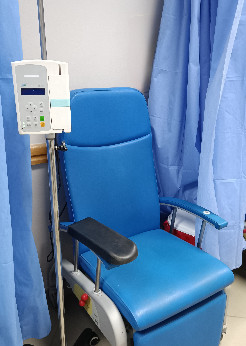
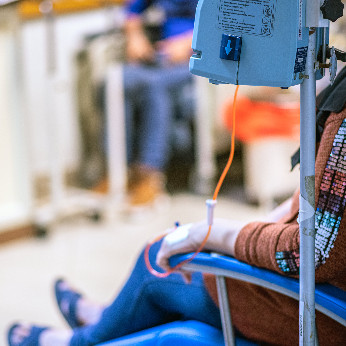
Chemotherapy is a powerful medical treatment used to target and destroy fast-growing cells; especially cancer cells. Because these cells multiply rapidly, chemotherapy is designed to interrupt their growth and prevent them from spreading. Treatment is usually administered either through intravenous line or taken orally as pills. Depending on the type and stage of cancer, chemotherapy may be used on its own or in combination with surgery, radiation, or other therapies.
While it remains a cornerstone in cancer care, chemotherapy often brings side effects that vary widely from one person to another, making each patient’s experience deeply personal.
Learn about chemotherapy from the experts at Ayady 4040 Hospital in this video:
When is Chemotherapy Needed?
Not every cancer patient requires chemotherapy. However, its use depends on several factors, including the type and stage of cancer, how far it has spread, and how aggressive it is. Doctors may recommend, accordingly, chemotherapy as follows
· As an initial treatment, especially when the cancer is newly diagnosed and fast-growing.
· After surgery, to eliminate any lingering cancer cells (adjuvant therapy).
· Before surgery or radiation, to shrink the tumor and make it easier to remove or treat (neoadjuvant therapy).
· To relieve symptoms and improve quality of life and slow progression in advanced cases (Palliative Care).
How Many Chemotherapy Sessions Are Needed?
There is no universal formula! The number of chemotherapy session is customized for each patient. This depends on:
· The cancer type and stage
· The drugs being used
· How well the patient’s body responds to the treatment
Chemotherapy is usually given in cycles; periods of treatment followed by a break allowing the body to recover. A complete course may span several weeks or even months.
How Long Does a Chemotherapy Session Take?
The duration of a chemo session can vary significantly. On average, it ranges between 30 minutes and 4 hours depending on the drug type, how it's administered, and how the patient's body handles the infusion. Some patients may need observation afterward before being cleared to go home.
What to Expect After the First Chemotherapy Dose?!
The first dose serves an important milestone. It helps the care team to understand how the body reacts to treatment. Thus, in the first 24 to 72 hours, the patient may experience:
· Nausea or vomiting
· Fatigue or low energy
· Loss of appetite
· Hair thinning (usually starts weeks later)
· A drop in white blood cell, which can increase risk of infections
That said, not everyone reacts the same way. Some people feel fine, while others need more rest and support early on.
Signs That Chemotherapy Is Working
Doctors track several indicators to evaluate chemo effectiveness:
· Tumors appear smaller on scans or imaging tests
· Symptoms (like pain or breathing difficulty) begin to improve
· No new tumors develop
· Blood tests show reduced markers or improved results.
It often takes several sessions before these improvements become clearly measurable.
Risks and Side Effects of Chemotherapy
While chemotherapy can save lives, it also affects healthy cells—especially those that divide quickly, like in the mouth, intestines, or hair follicles. Common side effects include:
· Digestive issues (such as diarrhea or constipation)
· Mouth sores
· Hair loss
· Mood swings or difficulty concentrating ("chemo brain")
· Strain on kidneys or liver
· Weakened immune system due to a drop in blood cell count
Doctors usually prescribe medications and supportive care to manage or reduce these symptoms.
Does Chemotherapy Cause Death?
It is a common fear! But in truth, chemotherapy itself is not a cause of death when properly administered and monitored. On the contrary, it has helped save countless lives.
That said, serious complications can occur in rare cases; especially for those with weakened immune systems or other health conditions. That’s why ongoing medical supervision is essential during treatment.
Chemotherapy at Ayady 4040 Hospital
At Ayady 4040 Hospital, we believe every life matters, and every patient deserves the chance to heal. That’s why we offer free chemotherapy treatment for those in need. Beyond medical care, we provide a full circle of support: emotional guidance, personalized treatment plans, and round-the-clock medical supervision.
At Ayady 4040, we treat people, not just diseases. We walk with each patient through their journey, offering care that heals both body and spirit.
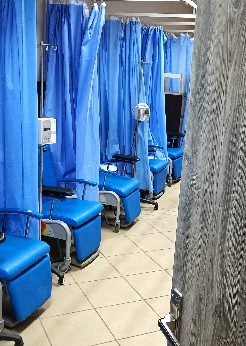
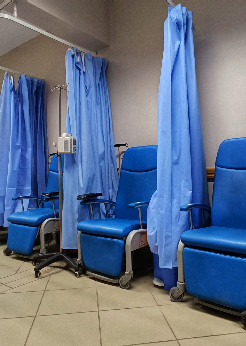
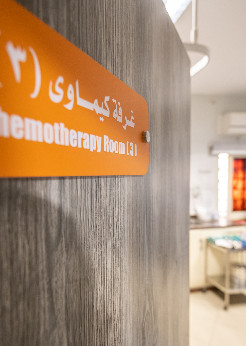
The Chemotherapy Department at Ayady El Mostaqbal Hospital receives around 100 patients daily for treatment sessions. The department includes 6 dedicated chemotherapy rooms for women, men, and children, with a total capacity of 36 beds and chairs. In 2024 alone, approximately 13,198 chemotherapy sessions were conducted, bringing the total number of sessions since 2008 to 177,329.