

Brain Tumors: Symptoms, Causes, and Treatment
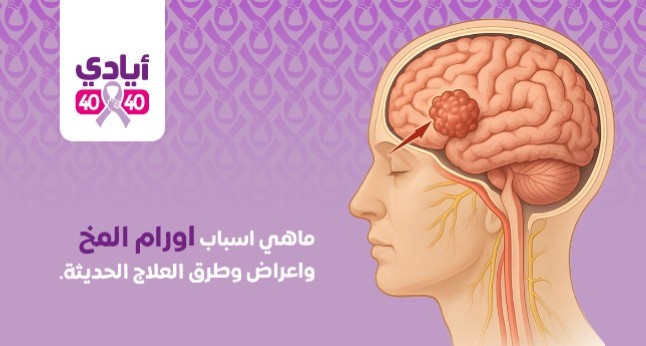
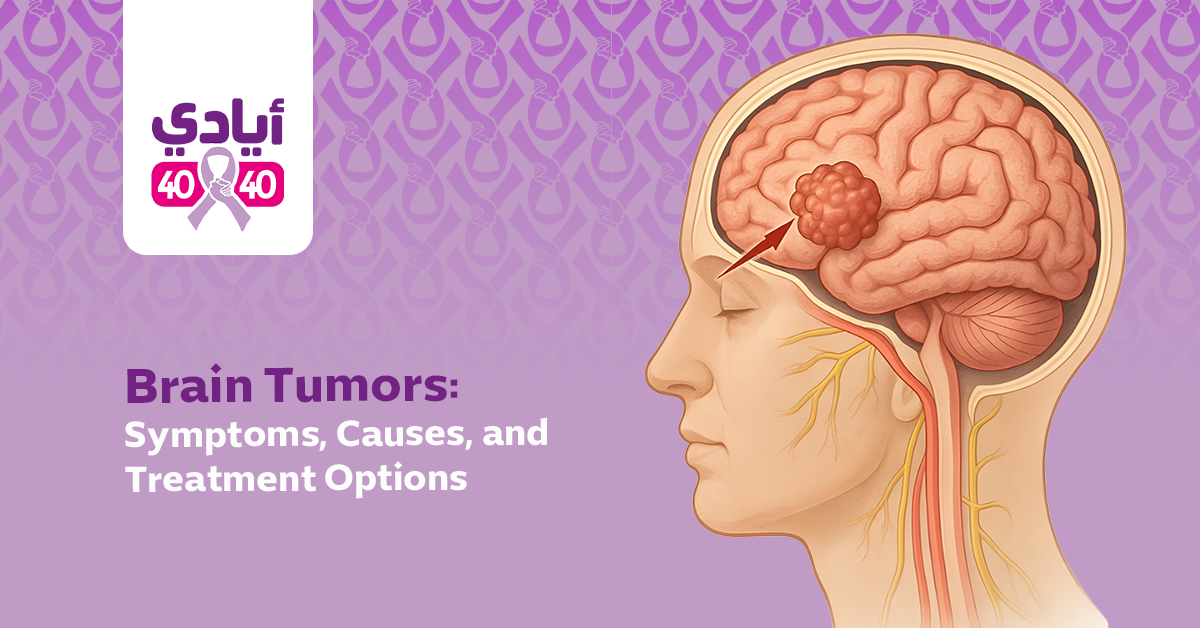
What Is a Brain Tumor?
A brain tumor is an abnormal growth of cells inside the brain. Some tumors grow slowly and remain localized (benign), while others are aggressive and may invade nearby tissue (malignant). In some cases, tumor originates inside the brain itself (Primary tumor). In others, it spreads from a different part of the body such as the lungs, breast, or kidneys (Secondary tumor).
Although receiving a diagnosis can be shocking at first, understanding the condition and starting treatment as soon as possible can hit a significant difference.
Types of Brain Tumors
There are many kinds of brain tumors, each with different characteristics:
- Gliomas: Begin in the brain’s supportive cells; range from low-grade to highly aggressive.
- Meningiomas: Often benign but can grow large and compress the brain.
- Metastatic tumors: Cancers that have spread to the brain from other organs.
- Lymphomas: Typically occur in individuals with weakened immune systems.
- Glioblastomas: One of the most aggressive and challenging brain tumors to treat.
Some tumors remain stable for years, while others progress rapidly and require urgent intervention.
Benign vs. Malignant: What’s the Difference?
Not all brain tumors are cancerous:
- Benign tumors don’t spread but might still affect brain functions due to pressure on surrounding tissues.
- Malignant tumors can grow quickly and may recur after treatment.
Ultimately, a tumor’s location and effect on brain function often matter more than whether it is benign or malignant.
Konw more about the difference between benign and malignant tumors.
Common Symptoms of Brain Tumors
Symptoms vary based on the tumor size, location, and growth rate. Some develop gradually, while others appear suddenly. In this respect, common signs include:
- Persistent headache
- Blurred or double vision
- Seizures (even in people without a history of epilepsy)
- Difficulty walking or maintaining balance
- Weakness or numbness on one side of the body
- Confusion or memory loss, or personality changes
- Mood changes or trouble focusing
- Nausea or vomiting without a clear cause
You don’t need to experience all of these symptoms. If something feels off and symptoms persist, it’s important to seek medical advice.
When to See a Doctor?
If you are experiencing multiple symptoms; especially if they’re new or getting worse, it is advised to consult a neurologist promptly.
Early diagnosis increases treatment options, and improved the outcomes.
What Causes Brain Tumors?
In most cases, there is no exact cause for brain tumor. However, certain factors may increase the risk:
- Family history of brain tumors
- Prior radiation therapy to the head
- Weakened immune system
- Cancers in other organs that may spread to the brain
- Possible exposure to certain industrial chemicals (Still under study)
- Age and gender; some tumors are more common in children or men over 40
It worth noting that brain tumors are rarely caused by anything the patient did or didn’t do.
How Are Brain Tumors Diagnosed?
Diagnosis typically when symptoms appear. Doctors may ask for any of the following to get a confirmed diagnosis:
- MRI (Magnetic Resonance Imaging): The most detailed imaging tool for the brain
- CT scan: Fast and useful in emergency situations
- Biopsy: A tissue sample analyzed to determine if the tumor is benign or malignant
- EEG (Electroencephalogram): If seizures are present
- Neurological Exam: Tests memory, coordination, reflexes, and other brain functions
What Happens If Brain Tumor Left Untreated?
Untreated brain tumors can lead to serious complications, including:
- Permanent loss of key brain functions
- Increased intracranial pressure
- Trouble with breathing or swallowing
- In some cases, coma or even death
Thus, early diagnosis and treatment are crucial.
Brain Tumor Treatment Options
Treatment depends on the tumor type, size, location, and the patient’s overall health. Common options include:
- Surgery and CyberKnife to remove the tumor
- Radiation therapy to shrink or prevent further growth
- Chemotherapy, typically used for malignant or aggressive tumors.
- Targeted or immune-based treatments for certain mutations
- Supportive medication to manage symptoms like pain, swelling, or seizures
In some cases, treatment is focused on improving quality of life rather than cure the disease.
Can A Brain Tumor Be Cured?
Yes, especially when diagnosed early and if the tumor is removable or slow-growing.
Even when a full cure isn’t possible, treatment can slow the disease’s progression, reduce symptoms, and extend both lifespan and quality of life.
Survival and Recovery
Survival rates vary widely depending on the tumor type and when it's diagnosed:
- Benign tumors are often curable with surgery and rarely return.
- Low-grade malignant tumors: can be managed for years
- High-grade tumors (e.g., Glioblastoma): Five-year survival rates are around 10%, but some patients live longer with modern therapies.
Recovery may include physical or speech therapy, counseling, and lifestyle adjustments. Many patients resume daily life, though some require ongoing support.
Life After Treatment
Recovery does not end when treatment does. Patients may continue to need:
- Physical and speech therapy
- Emotional and phycological support
- Regular follow-up scans and tests
Healing takes time, and every step forward matters!
Free Brain Tumor Care at Ayady 4040
Not everyone can afford scans, surgery, or chemo. That’s why Ayady 4040 offers free support for brain tumor patients in need.
Offering includes:
- Free imaging and consultations
- Surgeries
- Chemotherapy or radiation
- Medication and emotional support
To apply:
- Call the hotline: 16824
- Visit: Akasia Resort – Behind the International Garden – Alexandria
- Bring:
- National ID
- Recent medical report
- Proof of financial need