

Do Cooking Oils Cause Cancer? A Simple Guide and Answers to the Most Important Questions
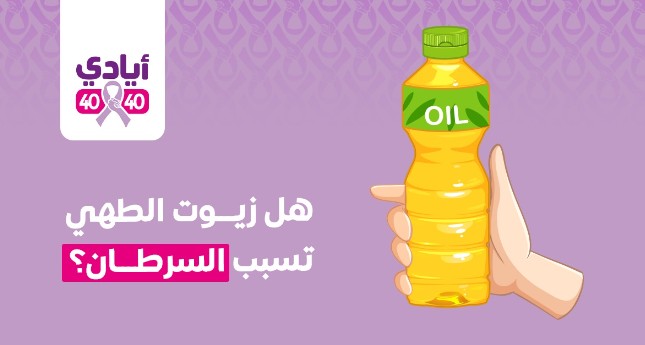
Do Cooking Oils Cause Cancer? A Simple Guide and Answers to the Most Important Questions
Many people worry about cooking oils after seeing conflicting information online, but the medical picture is more balanced than that. The issue is usually not every oil by itself, but how it is used, how hot it gets, how often it is reused, and what the overall diet looks like. That is why it helps to understand where the real concerns are and how to use oil more safely at home.
Do cooking oils cause cancer?
So far, there is no strong evidence showing that common cooking oils directly cause cancer when they are used in moderation as part of a balanced diet. That means it is not accurate to treat all oils as carcinogenic, but it is also not wise to ignore cooking method completely.
What matters most is the bigger picture. The more a diet relies on fried foods, extreme heat, and repeated oil use, the less healthy it becomes. For that reason, any possible concern is linked more to cooking habits and everyday diet than to the name of the oil alone.
When do cooking oils become more concerning?
The concern usually begins when oil is exposed to very high heat, left until it smokes, or reused again and again after frying. In those situations, the oil changes and unwanted byproducts may form, which makes the cooking process less healthy over time.
The issue also goes beyond the oil itself. Fried foods are often higher in calories and lower in nutritional value, and eating them frequently can contribute to weight gain and poor dietary patterns. These are important factors in many diseases, including some cancers.
Are vegetable oils and seed oils dangerous?
This question has become very common, but there is no strong evidence proving that vegetable oils or seed oils cause cancer by themselves when used in moderation. The confusion comes from the fact that these oils are often found in ultra-processed foods such as chips, packaged pastries, and fast food.
In other words, it is not accurate to blame the oil alone. In many cases, the real problem is the overall dietary pattern, including excess calories, low fiber intake, weight gain, and poor food quality.
Is burnt food more concerning than the oil itself?
In many situations, yes. Burnt or heavily charred food, especially when cooked at very high temperatures, raises more concern than simply having oil in the recipe. So, the more important question is not always which oil was used, but whether the food was burned and whether the cooking was gentle or overly harsh.
This matters especially with heavily grilled meats or starchy foods that become very dark brown or black. A light golden color or moderate browning is usually better than burning or blackening.
- Avoid obvious charring or blackened food.
- Do not let oil or food reach a heavy smoking stage.
- Moderate browning is better than intense burning.
Is it safe to reuse oil after frying?
Reusing oil is a common habit in some homes, but it is not the best choice. Each time oil is heated again, the chance of quality breakdown and unwanted compound formation increases, especially if it has already been exposed to high heat.
That is why it is better not to keep frying oil for repeated use, especially if the color changes, the smell becomes unpleasant, or the oil starts smoking during cooking. These signs suggest that the oil is no longer in good condition.
Is frying riskier than boiling, baking, or gentle cooking?
Usually yes, especially when frying is deep, frequent, or done at very high heat. Gentler methods such as boiling, steaming, moderate baking, and quick sautéing are generally kinder to both the food and the oil.
That does not mean every fried meal leads to cancer, but cutting down on repeated frying is a good health decision. Varying cooking methods also helps make meals lighter and supports a more balanced dietary pattern.
How can you use cooking oils more safely?
The goal is not to fear oil, but to use it wisely. When you use a moderate amount, control the heat, and reduce fried foods, oil can remain a normal part of balanced home cooking instead of becoming a daily source of worry.
It also helps to focus on the full set of habits together: the kind of food you eat, the amount of oil you use, how often you fry, and how much vegetables, legumes, and whole grains are included in your meals. Real protection comes from the full lifestyle pattern, not from one single decision.
Remember:
- Use a moderate amount of oil.
- Do not let oil reach the smoking stage.
- Avoid reusing oil after frying.
- Cut down on fried foods and fast food.
- Choose gentler cooking methods whenever possible.
- Aim for a balanced diet rich in vegetables, legumes, and whole grains.
What You Need to Know Most
Cooking oils are not a direct and proven cause of cancer in the way many people fear, but the way they are used can make cooking more or less healthy. The best approach is moderation, avoiding burning and smoke, not reusing oil, reducing fried foods, and maintaining a balanced diet. This shifts the conversation from fearing oil to understanding how to use it properly.