

Smoking and Cancer: Shocking Facts and Way to Quitting
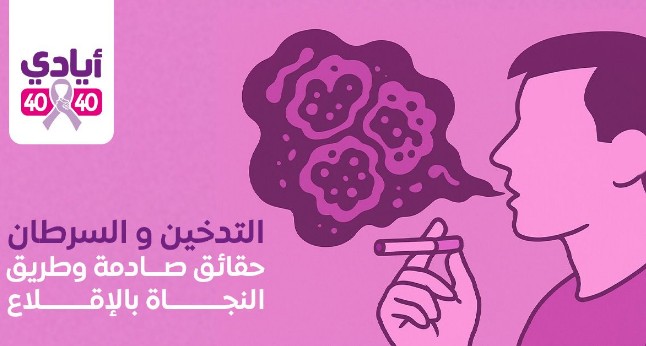
Smoking is one of the most dangerous and widespread habits around the world. Despite growing awareness of its dangers, many still hold onto the belief that “one cigarette won't hurt.” However, the shocking scientific truth that each cigarette carries hundreds of toxic substances that attack the body’s cells, causing widespread destruction. Even worse, smoking is the leading cause of many cancers. Therefore, this article comes to explore the impact of smoking on health and its strong link to cancer.
Physical Harm Caused by Smoking
Smoking damages nearly every system in the body, not just the lungs, as many may believe. Its effect literally extends to the heart, digestive system, brain—it even affects the outward appearance. Below is a closer look at the most critical damage caused by smoking:
Damage to Respiratory System
- Cigarette smoke contains over 70 carcinogens that directly attack the lungs.
- It causes chronic bronchitis, accompanied by shortness of breath and a persistent cough.
- It weakens the respiratory cilia responsible for clearing pathogens.
- It damages the alveoli, reducing the body’s efficiency in oxygen exchange.
Damage to Heart and Blood Vessels
- Nicotine raises blood pressure and increases blood viscosity, and risk of clots.
- It reduces blood flow to the heart and brain.
- It weakens arteries and causes long-term blockages, especially in peripheral arteries.
- It impairs heart muscle, increasing the risk of heart failure.
Damage to the Digestive System and Liver
- Stimulates stomach acid secretion and weakens the stomach valve.
- Worsens liver problems, especially in people with hepatitis or fatty liver disease.
- Hinders absorption of essential nutrients like vitamins and minerals.
Damage to Brain and Nervous System
- Increases stress and anxiety levels and leads to sleep disturbances.
- Impairs focus and memory and may cause gradual cognitive decline.
- Causes both physical and psychological nicotine addiction.
Impact on Appearance and Overall Outlook
- Nicotine restricts blood flow to the skin, robbing it of radiance and accelerating aging.
- Causes permanent discoloration of teeth.
- Weakens hair follicles, increasing hair loss and breakage.
Smoking and Its Link to Cancer
Smoking is among the top global causes of cancer. Tobacco smoke contains a complex mix of toxic chemicals, including many scientifically proven carcinogens. Its impact is not limited to lung cancer—it contributes to a wide range of other cancers as well.
Lung Cancer
- Smoking is the number one global cause of lung cancer.
- Each cigarette contains chemicals that gradually destroy lung cells.
- The disease is often diagnosed at advanced stages due to the absence of early symptoms, reducing chances of treatment and recovery.
Mouth and Throat Cancer
- Tobacco causes direct damage to the mucous membranes of the mouth, throat, and pharynx.
- Smoking leads to changes that may progress to malignancy.
- Patients often suffer from chronic sores, hoarseness, and difficulty swallowing.
Bladder Cancer
- Toxins from smoking are excreted in the urine and linger.
- These toxins damage the bladder cells, increasing cancer risk.
- Smokers face double the risk of developing bladder cancer compared to non-smokers.
Kidney and Pancreatic Cancer
- Smoking weakens the immune system’s ability to fight off abnormal cells.
- It impairs kidney function and irritates the pancreas, raising the chances of tumors in both organs.
Cervical Cancer
- Nicotine suppresses the immune activity in the cervical area.
- Smoking weakens the body’s ability to fight HPV (Human Papillomavirus).
- Female smokers are more susceptible to cervical cancer than non-smokers.
How to Quit Smoking – And Why It’s Worth It
Practical Steps to Quit Smoking
- Make a Conscious Decision: Quitting starts from within. The decision must come from strong personal conviction.
- Prepare a Realistic Plan: Set a quit date and identify triggers. Replace smoking with healthy habits.
- Ask for Support: Get help from family, friends, or professionals. Use tracking tools for motivation.
- Manage Withdrawal Symptoms: Use hydration, avoid triggers, and engage in light physical activity.
- Use Safe Alternatives: Nicotine patches or gum can help under medical supervision.
The Immediate and Long-Term Benefits of Quitting
- Physical Benefits: Within 24 hours, heart rate and blood pressure normalize. After 3 days, breathing improves. After 1 year, heart attack risk drops by 50%.
- Lower Cancer Risk: Each smoke-free year reduces cancer risks. After 5 years, bladder, pancreatic, and kidney cancer risks drop significantly.
- Mental Benefits: Increased self-confidence, less anxiety and guilt, improved emotional well-being.
- Social and Financial: Improved senses, cleaner smell, and significant financial savings.
Conclusion
Smoking is a silent enemy that slowly invades the body, weakens its systems, and pushes it toward danger without warning. But it is not a destiny. Quitting smoking is one of the greatest decisions a person can make for themselves and their loved ones. Don’t wait for the warning bells to ring. Don’t let hesitation hold you back. Start now… and give your heart, your lungs, and your dreams a real chance to survive.