CT Scan with Contrast: Preparation and Requirements – A Complete Guide
CT Scan with Contrast: Preparation and Requirements – A Complete Guide
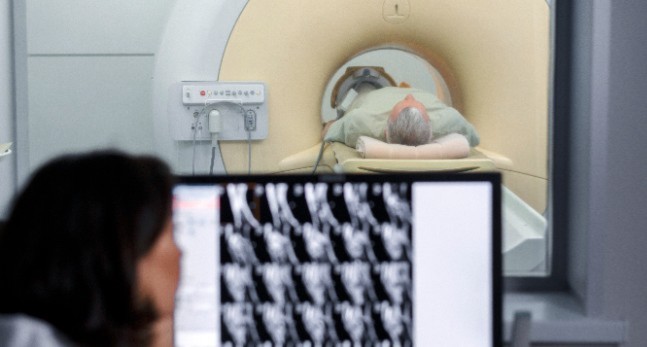
When your doctor asks you to undergo a contrast scan, many questions may come to your mind, such as: What is a CT scan? Does it cause pain? Does it carry any risks? The truth is that this type of examination is considered one of the advanced and safe techniques that has brought a breakthrough in modern medicine, thanks to its ability to reveal the most accurate details inside the body. It relies on the use of a special substance known as contrast dye, which is introduced into the body either by intravenous injection, orally, or sometimes directly into a specific area. A pelvic CT scan can also be performed. This dye does not treat the disease, but it is used to increase the clarity of imaging whether it is X-ray, CT (Computed Tomography), or MRI (Magnetic Resonance Imaging), enabling doctors to detect precise medical problems. In this article, we will learn about the most important preparations and requirements for a CT scan with contrast.
What is a CT Scan with Contrast?
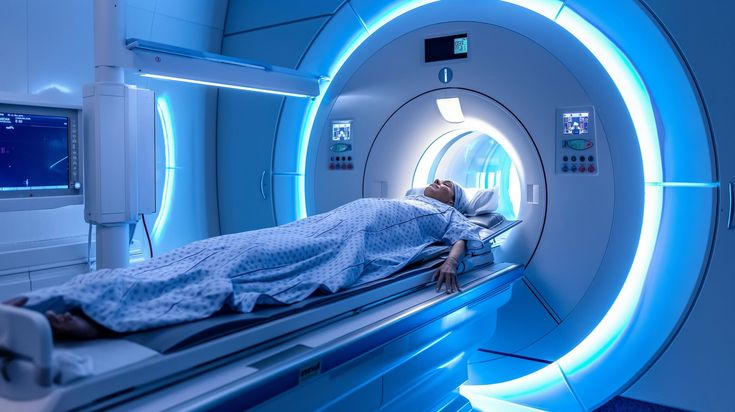
A contrast scan is one of the most important techniques that doctors rely on for the accurate detection of health problems in different organs of the body. It is not just an imaging procedure, but an advanced method that allows the doctor to have a clearer view of the details of the internal organs, helping to identify abnormalities precisely and develop the proper treatment plan. This technique is also used to examine many vital systems, such as the stomach, intestines, uterus, and arteries. It also plays a major role in detecting the causes of infertility, inflammations, or internal blockages. Despite its importance, some patients may feel anxious about this examination, so it is important to know how it is performed, its steps, and the possible complications.
How is a Contrast Scan Performed?
The basis of this technique is a liquid substance known as "contrast dye," which works to color the organ or tissue being examined so that it appears clearly in the imaging results. This allows the doctor to notice any abnormal changes such as tumors, inflammations, ulcers, or blockages. The dye can be introduced into the body in several ways, and the doctor chooses the most appropriate one depending on the organ being examined. These include:
- Orally, in case the examination is directed at the stomach or esophagus, where the patient drinks the dye to trace its path through the digestive system.
- Through the rectum, for examining the colon or rectum, where the dye is introduced to highlight the intestinal walls clearly.
- Intravenous injection, for examining arteries, veins, blood vessels, the heart, and ureters.
- Through the vagina, in cases of uterine or fallopian tube scans, to diagnose infertility or blockages.
Requirements for a CT Scan with Contrast
The success of a contrast scan does not depend only on the accuracy of the machines or the skill of the medical team, but also begins with proper patient preparation. This step ensures obtaining clear images, accurate diagnosis, and reduces the likelihood of complications or interference during the procedure. The preparation requirements vary depending on the type of examination and the method of dye administration. Below are the most important instructions before undergoing a contrast scan:
- For intravenous scans (arteries, veins, or internal organs):
- Inform the doctor about any allergies, especially to iodine-based or gadolinium-based contrast agents. In some cases, preventive medication may be required before the scan.
- Refrain from eating or drinking for 4 to 6 hours before the procedure to ensure body stability and reduce the risk of nausea during or after injection.
- If you are pregnant or breastfeeding, it is essential to inform the doctor, as some types of scans may be postponed or replaced with safer alternatives to avoid any effects on the fetus or infant.
- For CT scans with contrast, kidney function tests must be brought, to ensure that the body can safely eliminate the dye.
- For gastrointestinal scans (stomach, colon, or rectum):
- Fasting for a specific number of hours before the procedure or following a bowel cleansing protocol using laxatives or enemas, to ensure the digestive tract is free of any food residues that may affect imaging clarity.
- In some examinations, such as of the esophagus, stomach, or small intestine, the patient may be asked to drink barium dye under precise instructions given by the medical center, to ensure optimal distribution along the digestive tract.
For inquiries about the CT Scan with Contrast Department at Ayadi 4040 Hospital, you can contact us directly at 16824 or reach out through our official social media pages, where our medical team is ready to answer your questions and provide support at every step of your treatment journey.
Risks of CT Scans
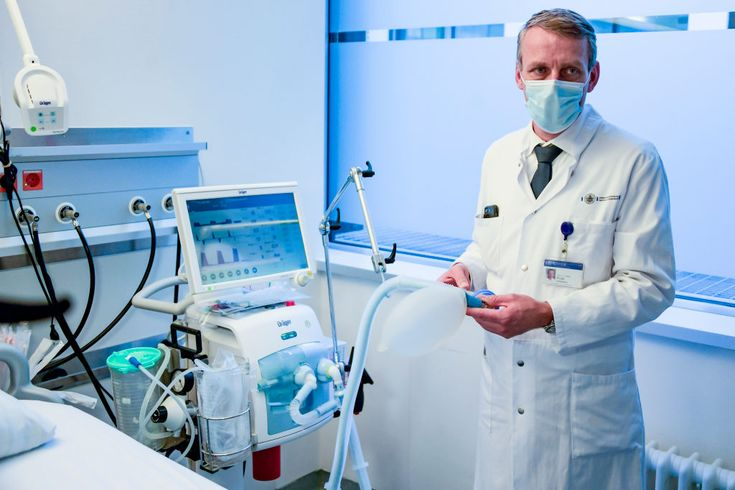
Although CT scans are indispensable in modern medicine, their use may involve some risks that should be known before undergoing them. The most important risks include:
- During a CT scan, the body is exposed to a higher dose of radiation compared to traditional X-rays. Although this dose is not high enough to cause cancer, doctors always balance the benefits and risks and ensure the use of the lowest possible dose of radiation, especially with the availability of advanced technologies that reduce exposure to the minimum without affecting image accuracy.
- If a woman is pregnant or suspects pregnancy, she must inform the doctor before the scan, as radiation exposure during pregnancy may pose a risk to the fetus. In such cases, this type of scan is usually replaced with safer alternatives such as ultrasound or MRI, to ensure the safety of both mother and fetus.
- Doctors recommend the use of contrast dye to enhance the clarity of imaging, where the patient is injected with a special substance that highlights specific areas of the body. Although most people do not face problems with it, some may develop allergic reactions ranging from itching and skin rash to, in rare cases, severe reactions requiring immediate medical intervention. Therefore, if you have a history of allergies to contrast substances, it is essential to inform the doctor in advance to avoid complications.
Do You Have to Fast Before a Contrast Scan?
In most cases, patients are asked to fast from food and drink for 4 to 6 hours before the scan, especially if the dye will be injected intravenously or swallowed. The purpose of fasting is to reduce the likelihood of nausea and ensure accurate results.
What are the Requirements for a Contrast Scan?
When preparing for a contrast scan, you must inform the doctor about any chronic illnesses such as diabetes, kidney disease, or heart problems, as well as any known allergies, especially to iodine or contrast substances. The doctor may also request kidney function tests to ensure the body can safely eliminate the dye. In case of pregnancy or suspected pregnancy, it is necessary to inform the doctor to choose safer alternatives.
In conclusion, a contrast scan is one of the most accurate diagnostic techniques in the field of medical imaging, enabling doctors to go beyond the limitations of traditional imaging and reveal details that cannot be seen by the naked eye or through standard tests. When your doctor recommends this type of scan, know that the goal is to achieve the most accurate diagnosis of your condition.
Therefore, it is important to be honest with your doctor about your medical history, allergies, or medications, and to fully follow all preparation instructions before the scan, as well as the essential requirements for a CT scan with contrast that we have reviewed.