

Benign Breast Tumors: What They Are, What Causes Them, and What Fibroadenoma Means
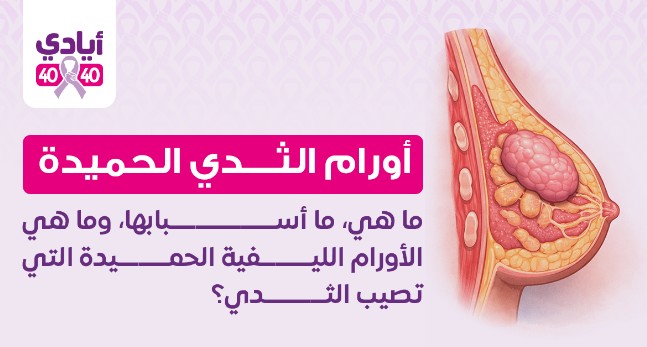
Benign Breast Tumors: What They Are, What Causes Them, and What Fibroadenoma Means
Finding a lump in the breast can be frightening, but it is important to know that many breast lumps are benign and not cancer. Even so, the nature of a lump cannot be confirmed by touch alone, which is why medical evaluation remains the most important step toward an accurate diagnosis.
In this guide, we explain what benign breast tumors are, what may cause them, what fibroadenoma means, which symptoms may appear, how doctors diagnose these lumps, and when follow-up or treatment may be needed.
What are benign breast tumors?
Benign breast tumors are non-cancerous changes or lumps that develop in breast tissue. They are common and may be discovered by chance or after noticing a change in the shape or feel of the breast. Although the word “tumor” can sound alarming, it does not always mean cancer.
Benign breast tumors may include conditions such as:
- Fibroadenomas
- Fluid-filled cysts
- Fibrocystic breast changes
- Other non-cancerous tissue changes
These conditions are different from breast cancer in terms of risk, but some still need follow-up or further evaluation depending on the type of lump and the imaging findings.
What causes benign breast tumors?
There is no single cause behind all benign breast tumors. In many cases, these changes are linked to the effect of hormones on breast tissue, especially during hormonally active years. That is why some people notice that a lump or breast discomfort changes with menstruation, pregnancy, or the years before menopause.
Common factors linked to benign breast lumps include:
- Natural hormonal changes
- Simple breast cysts
- Fibrocystic changes
- Fibroadenomas
- Normal breast tissue changes that become more noticeable at certain ages
What is a fibroadenoma?
When people ask about benign fibrous tumors in the breast, they are often referring to fibroadenoma. It is one of the most common solid benign breast lumps. It is made of glandular and fibrous tissue and is seen most often in younger people, especially between the ages of 15 and 35, although it can appear at other ages as well.
A fibroadenoma is often:
- Round or oval
- Smooth or rubbery
- Easy to move under the skin
- Usually painless
- Stable in size, although it may change over time
What symptoms can benign breast tumors cause?
Some benign breast tumors do not cause obvious symptoms and are found by chance. In other cases, they may cause symptoms such as:
- A noticeable breast lump
- Breast pain or discomfort
- A heavy or firm feeling in the breast
- Increased lumpiness before the menstrual period
- Tenderness when touched
Pain alone cannot tell whether a lump is benign or cancerous, which is why symptoms should never be the only basis for reassurance.
How are benign breast tumors diagnosed?
Diagnosis usually follows a clear and organized process. Doctors do not rely on touch alone. Instead, they combine the medical history, physical examination, imaging, and sometimes a biopsy when needed.
The evaluation may include:
- Asking when the lump first appeared
- Checking whether its size changes with the menstrual cycle
- A clinical breast exam
- Breast ultrasound
- Mammography in some cases
- A biopsy if imaging is unclear or confirmation is needed
Do benign breast tumors need treatment?
Not always. In many cases, benign breast tumors do not need immediate treatment, especially when testing clearly shows that the lump is benign, the lump is small, and it is not causing pain or a bothersome change in breast shape. This is often true for some cases of fibroadenoma and some simple breast cysts.
In these situations, the doctor may recommend regular follow-up instead of direct treatment.
When is follow-up alone enough?
A doctor may recommend observation without treatment if:
- Imaging findings are reassuring
- A biopsy confirms the lump is benign
- The lump size is stable
- There are no bothersome symptoms
- There is no rapid growth or unusual change
In this setting, follow-up may include clinical review or breast ultrasound at intervals to make sure the lump is not changing in size or appearance.
What treatments are possible for benign breast tumors?
Regular follow-up
This is the most common choice when the lump is clearly benign on examination and imaging.
Fine-needle aspiration
If the lump is a simple fluid-filled cyst, the doctor may drain it with a thin needle. This can help confirm the diagnosis and may also relieve pain or pressure if the lump disappears after drainage.
Surgical removal
Surgery may be recommended if the lump is large, growing quickly, causing clear pain, changing the shape of the breast, or if imaging or biopsy findings are not reassuring enough.
Cryoablation
Some fibroadenomas can be treated by freezing the lump through the skin instead of surgery.
When should you see a doctor quickly?
Any new breast lump should be medically evaluated, even if it seems harmless. It is better not to wait too long to see whether it goes away on its own.
You should seek medical evaluation if you notice:
- A new lump in the breast or armpit
- An existing lump getting bigger
- A change in breast shape
- Skin dimpling, thickening, or unusual texture
- A nipple turning inward
- Nipple discharge, especially if it is bloody
- Persistent redness or unusual skin changes
What is the best next step?
A breast lump does not automatically mean cancer. The most helpful response is early assessment rather than panic or delay.
Helpful next steps include:
- Notice when the lump started
- Track whether it changes with the menstrual cycle
- Avoid pressing on it repeatedly
- Book a medical appointment
- Bring any previous breast imaging or reports
Real reassurance comes from proper diagnosis.
Book your appointment or help support treatment
If you need a medical consultation or would like to book an appointment, you can contact Ayady 4040 Hospital to receive the support and care you need. You can also contribute to supporting treatment for patients who cannot afford it, helping care reach those who need it at the right time.
For booking and inquiries
Call: +2033785040
For donations
Hotline: 16824
Donation link: https://ayady4040.org/ar/donation
```