What are the Chemotherapy Types?
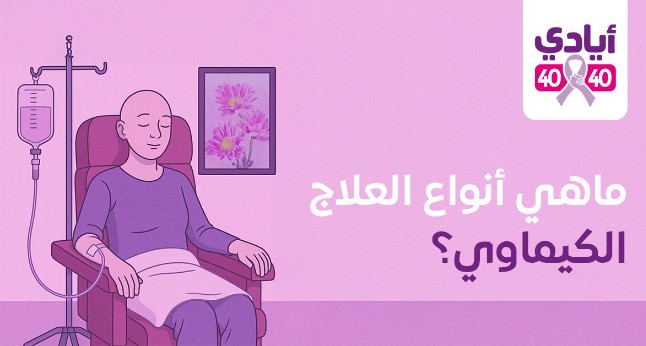
What are the Chemotherapy Types
Why focus on “Chemotherapy types”?
· “Chemotherapy” is a broad term. Knowing the medication type clarifies the goal, how it’s given, and the visit schedule.
· Modern plans and supportive medicines have improved outcomes and comfort for many patients.
1) By treatment goal (Why is it given?)
· First‑line: Initial control when appropriate.
· Neoadjuvant (before surgery/radiation): Shrinks tumors to make local treatment easier.
· Adjuvant (after surgery): Targets microscopic cells to reduce recurrence.
· Conversion/Salvage: When the first plan doesn’t work or disease returns.
· Palliative: Symptom relief and quality of life when cure isn’t realistic right now.
2) By drug family/mechanism (How does it work?)
· Alkylating agents: Damage DNA so cells stop dividing.
· Platinum drugs (cisplatin/carboplatin/oxaliplatin): Cross‑link DNA and block replication.
· Antimetabolites (e.g., 5‑FU/capecitabine/methotrexate): Disrupt DNA/RNA synthesis.
· Microtubule inhibitors (taxanes/vinca): Block the cell’s division machinery.
· Topoisomerase inhibitors/anthracyclines: Prevent DNA unwinding/replication or damage it.
· Other specialized agents: Used for selected indications.
Teams often combine families to increase effectiveness and limit resistance.
3) By route of administration (How does it enter the body?)
· Intravenous (IV): Most common in day units.
· Oral (pills/capsules): Taken at home on a structured schedule.
· Special routes: Intrathecal, intraperitoneal, intra‑arterial, or topical—in selected cases.
4) By dose pattern & scheduling (When and how much?)
· Standard‑dose per guidelines.
· Dose‑dense: Shorter intervals (e.g., every 2 weeks instead of 3) with marrow support as needed.
· High‑dose with stem‑cell rescue: For specific diseases in specialized centers.
· Metronomic: Small, frequent doses over longer periods.
· Adaptive: Adjusted up/down based on labs, organ function, and tolerance.
5) By plan composition
· Single‑agent: When safety/tolerance or drug sensitivity favors one medicine.
· Combination: Hits cancer from multiple angles (e.g., AC‑T for breast, FOLFOX/FOLFIRI for colon, CHOP for lymphoma).
6) By treatment intent (Where are we heading?)
· Curative: Aiming to eliminate disease.
· Disease‑control: Prolong control and reduce symptoms when cure is less likely at present.
Important questions to ask your doctor
1. What is the current goal (first‑line/neoadjuvant/adjuvant/palliative)?
2. Which drug families are used and why?
3. IV or oral, and what are the home instructions?
4. What is the schedule (weekly/every 2 or 3 weeks)? Might it change?
5. Single‑agent or combination? When will we reassess?
6. Which signs need immediate contact?
Chemotherapy sessions at Ayady 4040 Hospital
At Ayady 4040, we provide comprehensive, patient‑centered cancer care with chemotherapy sessions and medical, psychological, and social support for patients in need. Our multidisciplinary team (oncologists, specialized nursing, clinical nutrition, psychosocial support) designs an individual plan for each patient, with clear education before every step and a hotline for urgent questions. If you or a loved one needs assistance, please contact our team to book an assessment and learn about required documents.
How to apply for treatment
1. Call +2033785040 to book an appointment.
2. Or via the website: www.ayady4040.org.
3. Bring previous medical reports and tests for assessment and planning.