

Colon Cancer: The Complete Guide
What is Colon Cancer?
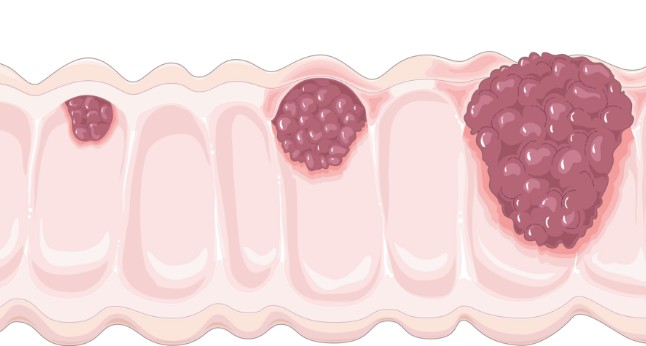
Colon cancer is a type of cancer that begins in the large intestine (colon). It happens when cells in the lining of the colon grow abnormally and uncontrollably, forming tumors. Early tumors may be small and benign (polyps) that can be removed easily, but over time, some may turn malignant if left untreated.
The colon is the last part of the digestive system, responsible for absorbing water and forming stool before it leaves the body.
Symptoms of Colon Cancer
Symptoms often appear late, but common signs include:
- Changes in bowel habits such as prolonged diarrhea or constipation.
- Blood in the stool or dark/black stools.
- Abdominal pain or bloating.
- A feeling of incomplete bowel movement.
- Fatigue, weight loss, or anemia.
Important: These symptoms don’t always mean cancer, but medical evaluation is essential.
Diagnosis
1. Medical History and Examination
Doctors will discuss symptoms, family history, and diet, then perform an abdominal and rectal examination.
2. Lab Tests
- Blood tests (CBC): To check for anemia.
- Tumor marker (CEA): Monitors response to treatment rather than confirming diagnosis.
- Stool tests: Detect hidden blood or cancer-related DNA changes.
Can stool tests detect colon cancer? They may indicate possible cancer, but a colonoscopy is required for confirmation.
3. Colonoscopy
The gold standard test that allows direct visualization of the colon. It helps identify tumors, take biopsies, or remove polyps.
4. Imaging
Used to assess the stage and spread of cancer:
- CT or MRI scans for abdomen and chest.
- PET-CT to check for metastasis in advanced cases.
5. Biopsy and Pathology
Tissue samples confirm the diagnosis and determine the cancer type and stage.
Types of Colon Cancer
- Adenocarcinoma: The most common type (over 90% of cases).
- Mucinous carcinoma: Contains mucus-producing cells.
- Signet-ring cell carcinoma: Rare and more aggressive.
- Other rare types: Squamous and neuroendocrine carcinoma.
Treatment of Colon Cancer
Treatment depends on the stage, tumor location, and patient health. The goal is complete cure in early stages or disease control and quality of life improvement in advanced stages.
1. Surgery
The main treatment that removes the affected part of the colon along with nearby lymph nodes.
Types of surgery:
- Right or left hemicolectomy.
- Sigmoid colectomy (lower part of the colon).
- Total colectomy in rare cases.
Recovery takes about 4–6 weeks. Minimally invasive laparoscopic surgery reduces pain and speeds recovery.
2. Chemotherapy
Used to kill or stop cancer cells from growing. It may be given:
- After surgery (to prevent recurrence).
- Before surgery (to shrink tumors).
- For advanced cases (to relieve symptoms and prolong life).
3. Targeted and Immunotherapy
Modern drugs that attack cancer cells specifically or boost the immune system to fight cancer.
4. Radiation Therapy
Rarely used for colon cancer, mainly to relieve pain or bleeding.
5. Follow-Up
Regular checkups, imaging, and colonoscopies ensure the cancer hasn’t returned.
Common Questions About Colon Cancer
Is colon cancer deadly?
Not at all! With today’s medical advancements, colon cancer is highly treatable and curable, especially when discovered early. Many patients recover completely and live normal lives. Even in advanced stages, modern treatments can control the disease and significantly improve quality of life.
What does colon cancer stool look like?
It may contain blood or appear thin and ribbon-like due to narrowing of the colon.
What is the life expectancy for colon cancer patients?
It depends on the stage at diagnosis, but early detection offers a very high chance of cure.
How long does it take to recover from colon surgery?
Most patients recover within 4 to 6 weeks depending on their overall health and the surgery type.
Can a stool test detect colon cancer?
It can show traces of blood or abnormal DNA, but colonoscopy is required to confirm the diagnosis.
Are there side effects from contrast dye used in colon imaging?
Side effects are rare, but allergic reactions or kidney strain can occur. Doctors take precautions to prevent this.
Have people recovered from advanced colon cancer?
Yes! Some patients have been cured after chemotherapy and surgical removal of metastatic tumors.
Ayady 4040 Hospital for Colon Cancer Treatment
At Ayady 4040 Hospital, we provide comprehensive care for colon cancer patients from early diagnosis to complete recovery. Our multidisciplinary team of oncologists, surgeons, nutritionists, and psychologists ensures the best outcomes.
Our Services
- Accurate diagnosis using the latest imaging and colonoscopy technologies.
- Modern chemotherapy and immunotherapy protocols.
- Post-surgery rehabilitation and nutritional support.
- Long-term follow-up and patient education.
How to Apply for Treatment
- Call us at +2033785040
- Visit our website: www.ayady4040.org.
- Bring your previous test results for a detailed evaluation and personalized treatment plan.
At Ayady 4040, we believe healing starts with hope and ends with wellness.